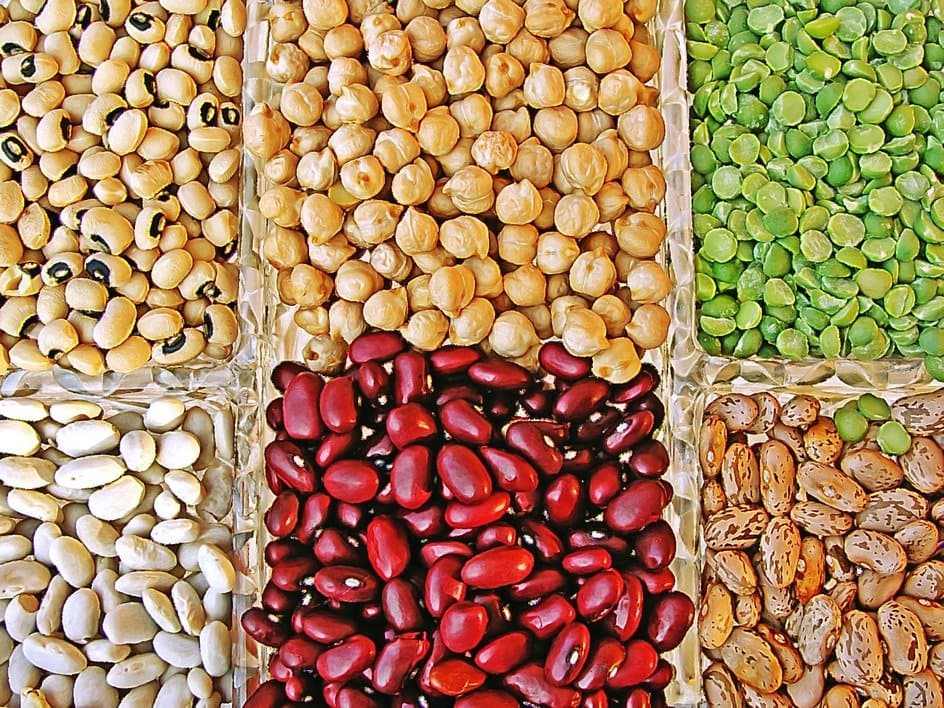
When you sit down to a family meal in Ghana, the aroma of jollof rice, the sizzle of grilled tilapia, and the comforting presence of beans or lentils often fill the air. Those humble legumes do more than add texture; they are a cornerstone of many of the world’s healthiest eating patterns. Below we explore what the science says about beans and legumes, why they matter for our bodies, and how they fit into sustainable food choices.
Legumes in Proven Healthy Eating Patterns
Research consistently places legumes at the heart of dietary models that protect health. The Mediterranean diet, the DASH (Dietary Approaches to Stop Hypertension) plan, vegetarian and vegan regimens, and lower‑glycemic‑index diets all feature beans, lentils, peas, and soy as regular components. A review of these patterns notes that legumes are not only nutrient‑dense but also linked to the prevention and management of several chronic conditions.
Weight management and obesity risk
One study observed that adults who ate a variety of legumes had significantly lower body weight than those who did not include legumes in their diet. Moreover, legume consumers were far less likely to be classified as obese (BMI > 30 kg/m²). The same evidence supports the role of a Mediterranean‑style eating plan—rich in legumes, fiber, and monounsaturated fat—in facilitating weight loss.
What the Dietary Guidelines Say
The 2015‑2020 Dietary Guidelines for Americans list legumes in two food groups: the protein group and the vegetable group. For a 2,000‑calorie diet, the recommendation translates to about 1½ cup‑equivalents of legumes per week for a typical U.S. eating pattern, and up to three cup‑equivalents for a vegetarian pattern. Current American intakes fall well short of these targets, highlighting a gap that many of us can help close by adding beans to our regular meals.
Nutrient Profile That Supports Heart and Metabolic Health
Beans deliver a blend of nutrients that work together to support cardiovascular health. A half‑cup serving supplies 300–500 mg of potassium, a mineral that helps counteract sodium‑induced blood‑pressure spikes. Potassium intake in the United States is generally low, and increasing it through beans can be a practical step toward better blood‑pressure control.
Fiber is another standout component. High dietary fiber reduces the amount of cholesterol absorbed in the gut, a mechanism highlighted by researchers at UCLA Health. By lowering circulating cholesterol, beans can contribute to a healthier heart.
Specific beans also bring unique benefits. Kidney beans, for example, are rich in folate—a vitamin essential for fetal neural development, making them especially valuable for pregnant people. A small study of eight healthy adults found that consuming three‑quarters of a cup of red kidney beans lowered blood pressure two hours after the meal, compared with an equal portion of rice.
Legumes and Blood‑Sugar Control
High‑fiber foods such as beans slow the absorption of sugar, helping to moderate blood‑glucose levels. This effect is particularly relevant for people managing diabetes or seeking to prevent its onset. The same Healthline article notes that kidney beans can help lower blood‑sugar levels, reinforcing the broader evidence that legumes support glycemic control.
Environmental Advantages of Growing Beans
Beyond personal health, legumes play a pivotal role in sustainable food systems. Producing plant‑based foods generally generates fewer greenhouse‑gas emissions and uses less land and water than animal‑based production. The EAT‑Lancet “planetary health diet” recommends about ¼ cup of legumes daily—roughly 50 g—because of their low environmental footprint and nutritional value.
Legumes also improve soil health by fixing atmospheric nitrogen, reducing the need for synthetic fertilizers. This natural benefit aligns with the goals of many smallholder farmers in Ghana who seek to maintain productive land without heavy chemical inputs.
Practical Ways to Include More Legumes at Home
In Ghanaian kitchens, beans already appear in beloved dishes such as waakye, bean stew, and groundnut soup. To boost intake, consider these simple strategies:
- Swap a portion of rice or starch with beans. Adding a half‑cup of cooked beans to a plate of jollof rice increases protein and fiber without altering flavor dramatically.
- Use lentils in soups and stews. Lentils cook quickly and absorb the spices of traditional Ghanaian broths, offering a hearty texture.
- Try bean‑based salads. Cold bean salads with chopped vegetables and a light vinaigrette make a refreshing side dish.
Preparation matters for digestibility. Soaking beans overnight and discarding the soaking water reduces lectins—natural plant proteins that can cause digestive discomfort for some people. Cooking beans slowly or using a pressure cooker further deactivates lectins, ensuring they are safe and easy to digest.
Addressing Common Concerns
Some individuals worry about the lectin content in beans. While lectins are a natural defense mechanism for plants, proper soaking and cooking eliminate most of the concern. Canned beans are pre‑cooked and typically have lower lectin levels, making them a convenient option for busy households.
Another myth is that beans cause excessive gas. This can happen when the gut microbiome is not accustomed to high fiber. Introducing beans gradually—starting with small portions and increasing over weeks—allows the digestive system to adapt.
Putting It All Together: A Balanced Plate
When planning meals, think of legumes as both a protein source and a vegetable. Pair beans with whole grains like millet or brown rice, add colorful vegetables, and finish with a drizzle of healthy oil. This combination mirrors the balanced plates recommended by the CDC’s “Eat Real Food” guidance, which emphasizes protein, vegetables, fruits, healthy fats, and whole grains.
Conclusion
Beans and other legumes are more than a pantry staple; they are a nutrient‑dense, environmentally friendly food that supports weight management, heart health, blood‑sugar control, and sustainable agriculture. By incorporating a variety of legumes into everyday Ghanaian cooking—whether in traditional stews, salads, or modern grain bowls—we can enjoy tasty meals while nurturing our bodies and the planet.
Further reading
- Legumes: Health Benefits and Culinary Approaches to Increase Intake
- Defining Nutritional and Functional Niches of Legumes - MDPI
- Healthy Eating Tips | Nutrition - CDC
- Legumes | Linus Pauling Institute | Oregon State University
- Frontiers | Legumes and common beans in sustainable diets: nutritional quality, environmental benefits, spread and use in food preparations
- The 9 Healthiest Beans and Legumes You Can Eat
- Why beans are nature’s perfect food | UCLA Health
- The Benefits of Beans and Legumes | American Heart Association
- Legumes and Pulses • The Nutrition Source
- Beans and Blue Zones: How Healthy Are Beans, Anyway? - Gene Food